


Pay Attention to LPG Fire Safety
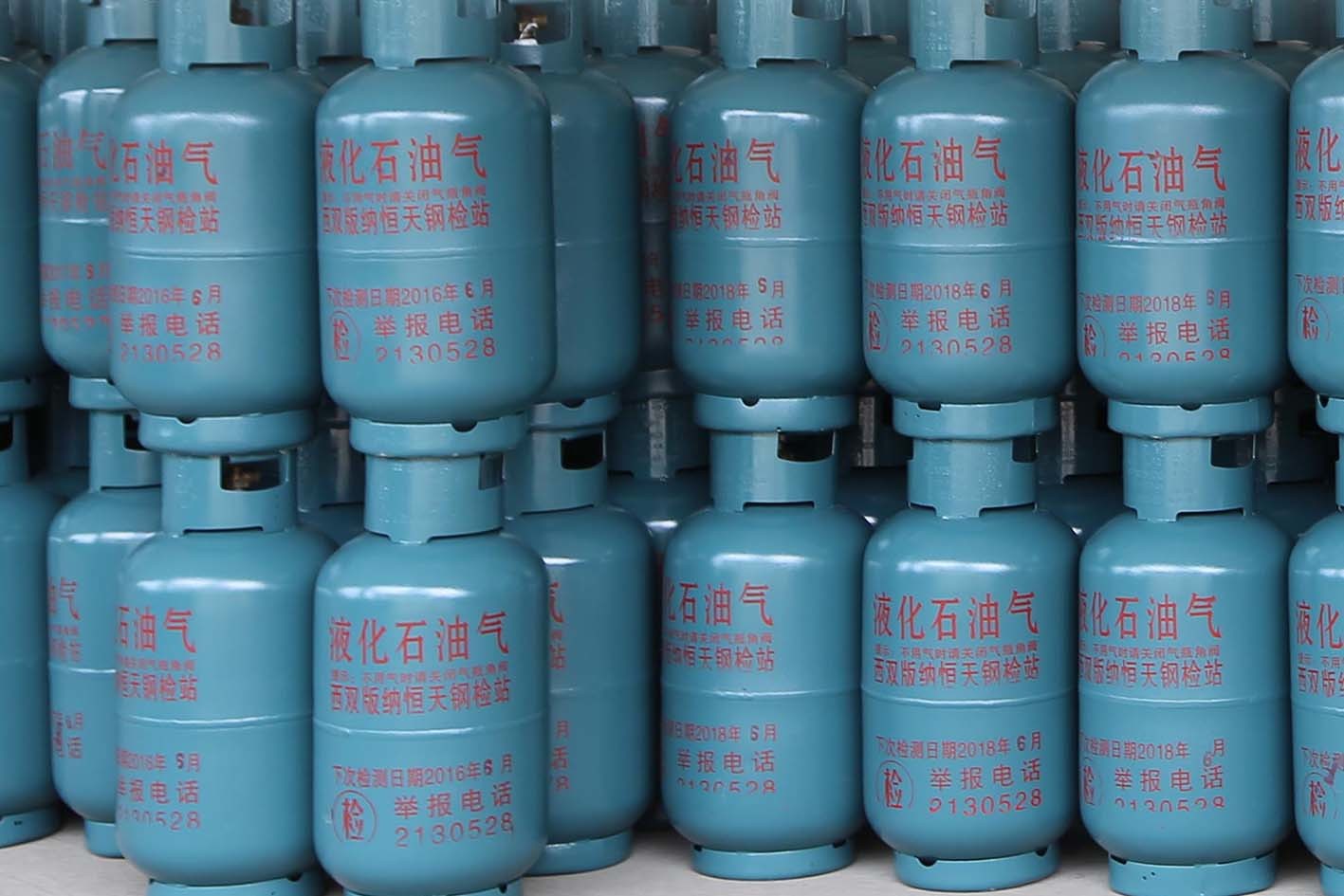
Liquefied petroleum gas is now widely used in various aspects of production and daily life, with demand steadily increasing. Bottled LPG supply stations are facilities that receive full cylinders from LPG storage and distribution plants and deliver them to consumers while collecting empty cylinders. Their establishment has greatly facilitated people’s production and daily activities. However, even a slight lapse in care during the supply process can lead to fire and explosion accidents, potentially resulting in serious casualties and substantial losses.
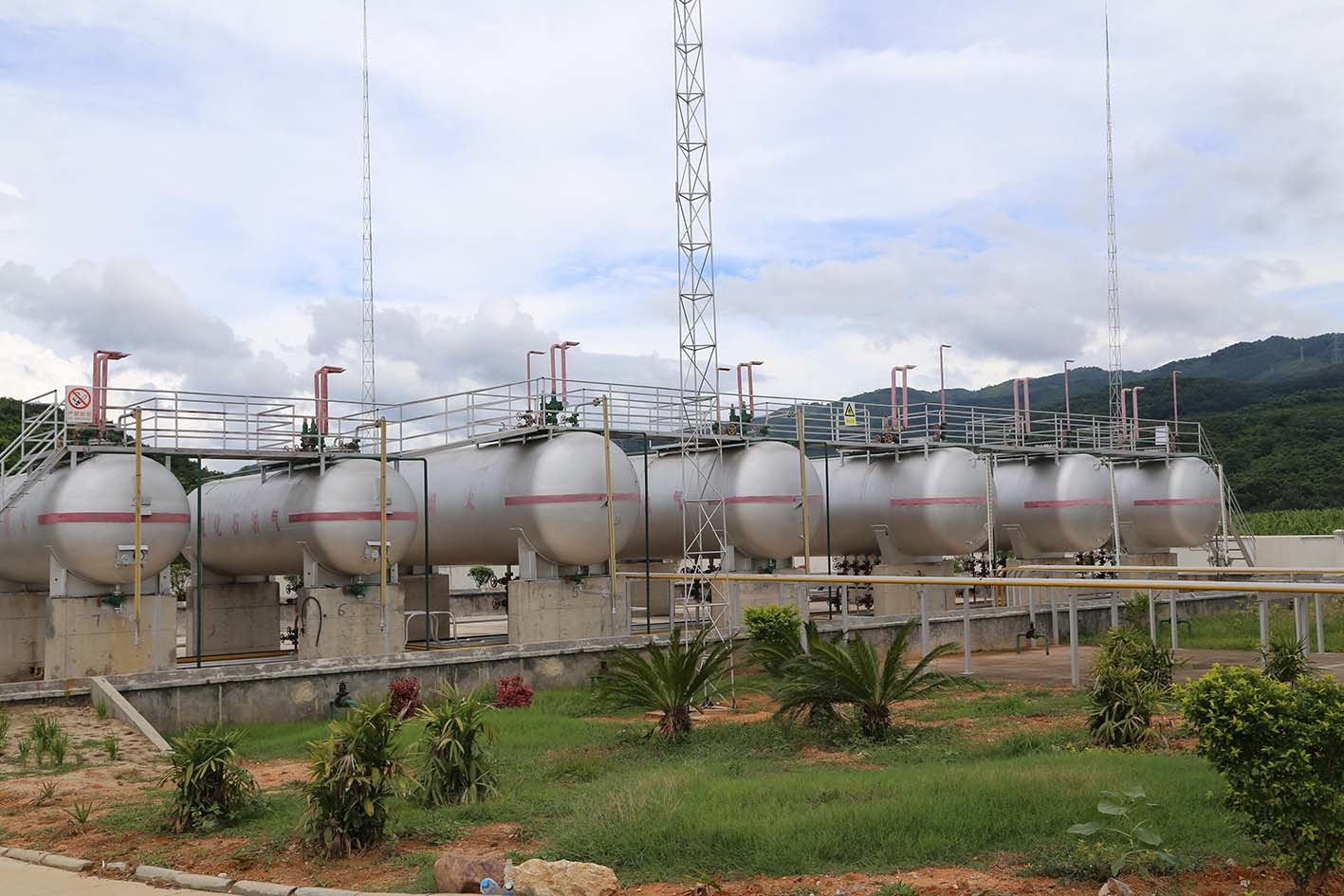
At present, many households rely on bottled liquefied petroleum gas (LPG). In recent months, LPG-related accidents have occurred frequently across the country, drawing close attention from the relevant authorities to the safe use of bottled LPG. The following are important precautions for the safe use of bottled LPG:
1. Choose a qualified liquefied petroleum gas supplier and do not purchase bottled LPG sold by illegal vendors.
2. Use qualified gas cylinders and conduct regular inspections.
3. Install safety signs and conduct regular maintenance and upkeep to ensure that fire-fighting facilities and equipment are in good working order and effective.
4. Do not expose liquefied petroleum gas cylinders to direct sunlight for extended periods; do not heat the cylinders with open flames or hot water; do not disassemble the cylinder angle valve or pressure-reducing valve components on your own; do not transfer the contents of the cylinder or dump residual liquid; and do not drop, strike, or impact the cylinders.
5 . Perform regular leak inspections: Connections in cylinder-supplied gas systems—such as angle valves, pressure regulators, rubber hoses, and gas appliances—are prone to leaks. To inspect, first turn off the appliance switches, then open the angle valve. Apply soapy water to suspected leak points; continuous bubbling indicates a leak. Never use an open flame to detect leaks.
Liquefied petroleum gas is highly flammable and explosive; therefore, site management must be strengthened to prevent LPG accidents and ensure safe gas supply. (Text by Xu Shumin; Photos by Luo Qiong)
Key words:
Quick Navigation
Contact Information
Address: No.73 Mengli Avenue, Jinghong City, Xishuangbanna Prefecture, Yunnan Province
Telephone:(86) 0691-2152438
Fax:(86) 0691-2152439
Liquefied gas service hotline:0691-2155777
Drinking Water Service Hotline:0691-2211777

SAF Coolest v1.3.1.2 设置面板 SJDSD-ZRAV-WSZDE-AXE
无数据提示
Sorry, the current column is being updated, please look forward to it!
You can view other columns or returnHome Page