


There’s a saying about drinking water in summer.
Summer is just around the corner, and many people enjoy drinking ice-cold water because it feels refreshing and quenches thirst. However, little do they know that doing so can actually harm their health. Therefore, learning how to drink properly during the summer is absolutely essential.

Warm water is best to drink in summer.
In summer, consuming cold drinks can cause the gastrointestinal mucosa to experience a sudden drop in temperature, leading to constriction of previously dilated capillaries and spasm of the smooth muscle, which may result in gastrointestinal discomfort, colicky pain, or even diarrhea. Conversely, some people prefer to drink scalding-hot water; such excessively hot beverages can damage the esophageal mucosa, stimulate mucosal hyperplasia, and thereby increase the risk of esophageal cancer—this is now an established conclusion in the medical community. Therefore, the temperature of drinking water should be neither too hot nor too cold; the most suitable range is 10–30 degrees Celsius.
Thirst is a signal that the body is dehydrated. Ideally, you should never feel thirsty throughout the day. It’s important to drink water properly: one sip is not enough to rehydrate all the cells in your body that are lacking water. Each time you drink, aim for 200 milliliters, and consume it slowly and steadily in one go. Establish a regular drinking schedule, with fixed times and amounts. For example: 250 milliliters upon waking; 200 milliliters at 9 a.m.; 200 milliliters at 11 a.m.; 200 milliliters at 3 p.m.; and 250 milliliters before bed.
Drinking water in the morning and evening is essential, as blood tends to be thicker at night. It’s not advisable to drink lightly salted water in the morning, since blood pressure is highest then; plain boiled water is the best choice. Drinking water is not only vital for the body but can also have therapeutic benefits under certain circumstances.
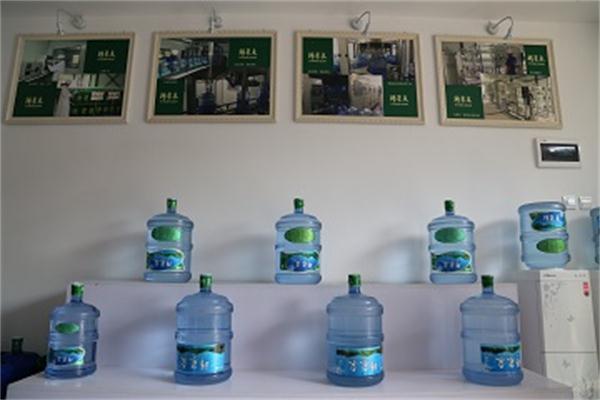
Drink more water, and drink it slowly.
Many people, when they feel thirsty, habitually gulp down large amounts of water in quick succession. However, from the perspective of Traditional Chinese Medicine, this way of drinking is not beneficial to health and, over the long term, can impair the spleen’s normal physiological function of transforming and transporting water and dampness.
There are three potential consequences of drinking large amounts of water all at once: First, rapidly consuming a large volume of water in one go can quickly dilute the blood, placing extra strain on the heart—a problem that is even more pronounced after exercise. Second, during hot weather when sweating profusely, gulping down water can trigger a reflexive increase in sweat production, leading to greater losses of electrolytes such as sodium and potassium and often leaving people feeling even thirstier the more they drink. Third, drinking too quickly can cause you to swallow a lot of air, which may result in hiccups or bloating.
When one drinks excessively in a short period, the spleen cannot immediately digest such a large volume of water; the excess water then accumulates, readily giving rise to dampness. If this dampness further progresses, it tends to transform into phlegm-dampness or turbid phlegm. Likewise, ice-cold water is also difficult for the spleen to transport and metabolize.
The proper way to drink water is to hold a small sip in your mouth and swallow it slowly, in several sips. This allows the water to thoroughly moisten your mouth and throat, effectively relieving thirst.
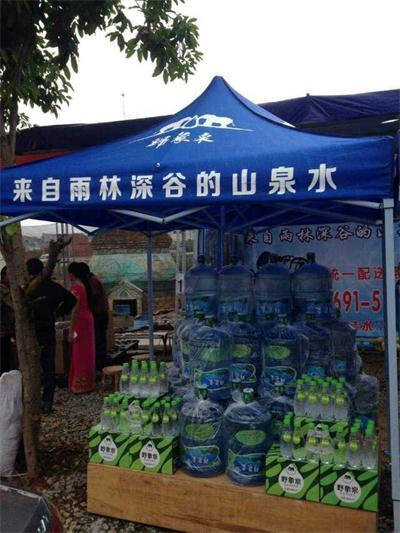
Of course, drinking water hygiene must also be observed to prevent adverse health effects caused by excessive levels of fluorine, chlorine, mercury, arsenic, and other contaminants that could pose risks to human health. (Photo/Text: Tao Na)
Key words:
Quick Navigation
Contact Information
Address: No.73 Mengli Avenue, Jinghong City, Xishuangbanna Prefecture, Yunnan Province
Telephone:(86) 0691-2152438
Fax:(86) 0691-2152439
Liquefied gas service hotline:0691-2155777
Drinking Water Service Hotline:0691-2211777

SAF Coolest v1.3.1.2 设置面板 SJDSD-ZRAV-WSZDE-AXE
无数据提示
Sorry, the current column is being updated, please look forward to it!
You can view other columns or returnHome Page